Mount Everest Expedition
The Mount Everest Expedition, also known as Mount Everest climbing, is regarded as the ultimate challenge for mountaineers worldwide. The ascent of Mount Everest, the highest peak on Earth, necessitates extraordinary endurance, determination, and skill. Climbers from around the globe embark on this epic journey, facing the harsh and unpredictable conditions of the Himalayas. The expedition is both renowned and perilous. Every step is a test of human strength due to the extreme heights, low oxygen levels, dangerous slopes, and rapidly changing weather.
Mount Everest: Climb the World’s Highest Peak
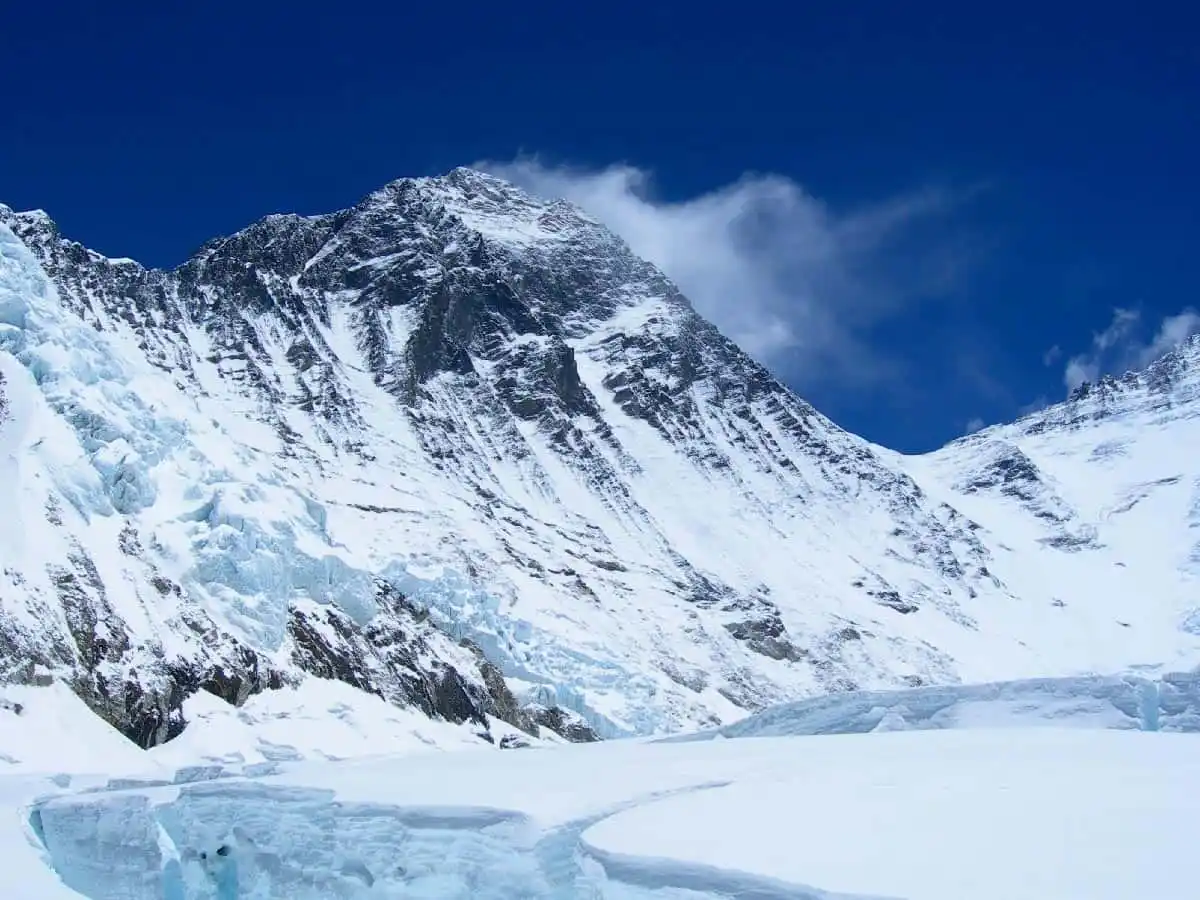
Mount Everest (8,848.86 m / 29,031.7 ft) is the highest mountain in the world and the ultimate dream of climbers worldwide. Everest, or Chomolungma, “Goddess Mother of the World”, is in the beautiful Khumbu region of Nepal. It is not only admired for its incredible height but also for its deep cultural and spiritual significance. The trek begins with a scenic walk to Everest Base Camp (17,557 feet) before continuing up the famous South Col Route through the Khumbu Icefall, Western Cwm, Lhotse Face and South Col to the summit. Climbing Everest is a demanding adventure and requires good fitness, previous experience of high altitude, proper acclimatization and the assistance of experienced Sherpa climbers. To stand on the highest point on Earth is a lifetime achievement, a reward for months of preparation, determination and teamwork, an unforgettable experience.
Mount Everest Location
Mount Everest is situated in the Mahalangur Himal range of eastern Nepal, on the border between Nepal and Tibet (China). The most popular route starts from the Khumbu region of Nepal, which is home to the famous Sagarmatha National Park, a UNESCO World Heritage Site. The trip starts with a scenic flight to Lukla and a trek through beautiful Sherpa villages, including Namche Bazaar, Tengboche, Dingboche, and Lobuche, on the way to Everest Base Camp. Along the way, climbers get to see stunning views of Everest, Lhotse, Nuptse, Ama Dablam, and other Himalayan peaks while enjoying the warm hospitality, unique culture, and rich traditions of the Sherpa community.
Everest Climbing History
For more than a century, Mount Everest has inspired adventurers and climbers. It was first identified as the world’s highest mountain in 1852 during the Great Trigonometrical Survey of India and was thereafter named after Sir George Everest. The first successful ascent of Sir Edmund Hillary of New Zealand and Tenzing Norgay Sherpa of Nepal on 29 May 1953 was one of the greatest achievements in mountaineering history. Their success paved the way for future expeditions, and today, thousands of climbers from all over the world come to Nepal each year to follow the same historic route backed by experienced Sherpa guides and modern expedition equipment.
Climbing Route of Everest Expedition (South Col Route)
The South Col Route from Nepal is the most popular and most commonly used route to the summit of Mount Everest. The trek begins at Everest Base Camp (5,364 m) and then heads through the challenging Khumbu Icefall to Camp I. From here, the climbers cross the Western Cwm to Camp II, climb the steep Lhotse Face to Camp III, and continue up to Camp IV at the South Col (7,900 m) for the final push for the summit. Then the route goes through the Balcony, South Summit and Hillary Step area and finally reaches the top of the world at 8,848.86 m. With the assistance of experienced Sherpa guides, fixed ropes, supplemental oxygen, and proper acclimatization, climbers can safely make their way on this incredible journey to the summit of Mount Everest.
Everest Climbing Difficulty
Climbing Mount Everest is one of the most difficult mountains in the world and requires good physical fitness, previous climbing experience at high altitudes and mental strength. The South Col Route is the normal route to climb the mountain but it is still a very hard trip due to the very high altitude, very cold temperatures, high winds, low oxygen and changing weather. To reach the summit, climbers must safely cross the Khumbu Icefall, climb the steep Lhotse Face and pass through the Death Zone above 8,000 meters. Good acclimatization, technical climbing skills, experienced Sherpa support and sound decision-making during the expedition are all important for success. The general consensus is that you should have some experience on 6,000- or 7,000-meter peaks before attempting Mount Everest.
Best Season for Climbing
The best time to climb Mount Everest is during the spring (April to May) when the weather is generally more stable, temperatures are a bit more warmer and climbers have the best chance of reaching the summit. It is the most popular time to climb Everest, with longer daylight hours and better conditions for climbing. Autumn (September to October) is the other good season to climb. It has clear skies and stunning mountain views, but the colder temperatures and shorter weather windows do make it more challenging than the spring.
Why Choose Our Mount Everest Expedition?
On our professionally guided Mount Everest Expedition we aim to offer you the best possible chance of reaching the summit safely and confidently. From the moment you set foot in Kathmandu, to your triumphant return, our experienced team handles all the details including permits, logistics, Base Camp services, acclimatization and climbing support. Our highly experienced Everest Sherpa guides, reliable oxygen systems, modern climbing gear, regular weather updates, medical support and emergency rescue planning ensure a safe and well organized expedition. Small groups for responsible climbing and careful decision making throughout the journey to ensure personal attention and a focus on teamwork. Climbing Mount Everest is not just standing on the roof of the world, it is an adventure of a lifetime that is worth all the months of preparation, determination and perseverance. We are committed to helping you live that dream, safely.